If you work with anxious clients, you probably already have a collection of anxiety management techniques that you use regularly. This month, though, I’d like to look beyond the usual breathing exercises, mindfulness, and relaxation techniques, and explore six ways to help reduce anxiety that you may not have considered before.
Anxiety Management Techniques
Vitamin C Helps Reduce Anxiety
According to a study by Marik (2020), vitamin C helps to reduce stress and lower cortisol levels, as well as being good for your immune system It says “Treatment with vitamin C appears to restore the stress response and improve the survival of stressed humans.” So extra fruit or juice may help.
Manage Anxiety with Variety in Your Daily Routine
Ask clients to structure their day so everyone in the house gets some alone time to do whatever they enjoy, and some social interaction (with members of the household or by phone/online). If they live alone, it can be more of a challenge but it’s possible with a bit of thought. They should also include activities that challenge both their brain (work, learning, puzzles, etc) and their body (physical activity) in every day’s routine.
Sign up for YHT's Newsletter: tips, research, articles and training discounts
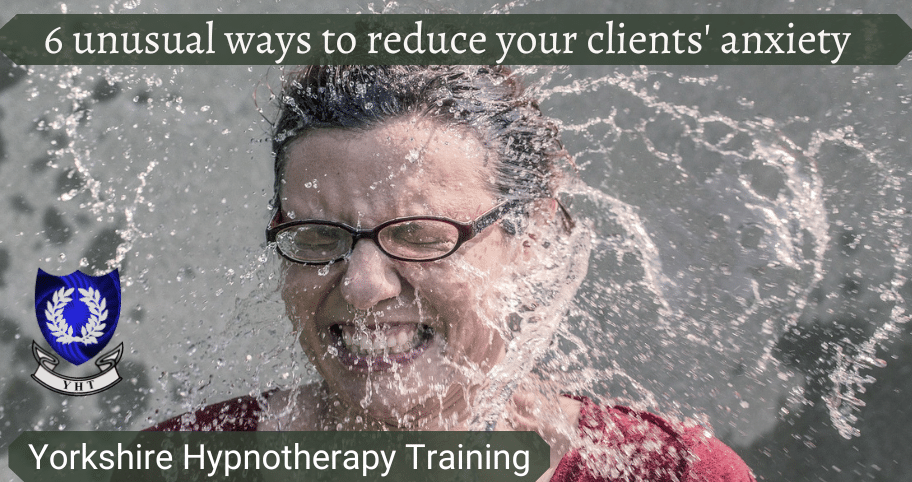
Stop Anxiety with Cold Water
When clients are anxious and their minds are racing, ask them to fill a bowl with icy water and suddenly plunge their hands into it. It’s a bit of a shock tactic, but it interrupts a constant stream of negative thoughts! It can also improve circulation, and release endorphins that make them feel more positive and alert.
As an alternative, they could hold an ice cube in their mouth. This has a similar effect, but it is more practical in some situations. Plus, many people find that holding the ice cube on their tongue and breathing in the cold air that has passed over it is a soothing experience. A few people recommend cold showers as well, but that’s probably only for the very determined!
Do Something that Requires Concentration
Word or number puzzles can be good for reducing stress, or colouring. If clients don’t have these handy in stressful moments, saying tongue twisters or alphabetical lists (e.g. of flowers, dog breeds, or boys’ names) will do.
Inflate a Balloon to Control Your Anxious Breathing
Blowing up a balloon forces someone to control their breathing, take deep breaths and breathe out fully. So if your usual breathing exercises don’t appeal to your client, this one might, and it’s especially good to use with kids.

Early to Bed and Early to Rise Helps Reduce Anxiety
Anxiety and lack of sleep often go hand in hand, so check your clients’ sleeping patterns. It may help to go to bed an hour earlier and get up fifteen minutes earlier. The extra forty-five minutes of sleep will do their mind and body some good. The extra fifteen minutes in the morning will make their start to the day less pressured, especially if it means missing the worst of the traffic or getting a few moments of ‘me’ time before the kids wake up.
If you want other ways to help clients with their sleeping, subscribers to our monthly newsletter get access to a free CPD course on working with insomnia.
Why Do You Need Unusual Ways to Interrupt Anxiety?
Many anxious clients will have tried lots of self-help techniques or seen other therapists before they arrive with you. Some will, whatever you suggest, tell you they’ve tried that before and it didn’t work.
That’s one reason it’s worth having a few less obvious ideas in your toolkit. There is no way to know in advance which approach will resonate with a particular client, and sometimes the most unexpected suggestion is the one that finally makes a difference.
After all, anxiety is a skill the mind has learned over time. With the right support and enough practice, clients can also learn the opposite skill: how to settle their minds, calm their bodies and respond to life’s challenges in a different way.
Reference:
Marik, P.E. (2020). Vitamin C: an essential ‘stress hormone’ during sepsis. Journal of Thoracic Disease, 12(S1), pp.S84–S88. doi:https://doi.org/10.21037/jtd.2019.12.64.

About Debbie Waller
Blog Author Debbie Waller is a hypnotherapist, supervisor, and trainer with more than twenty years of experience. As well as having a busy client practice, she runs Yorkshire Hypnotherapy Training and writes books and articles for therapists who want to deepen their knowledge and develop effective practice.

Disclaimer
The information and ideas shared on this blog are based on the author’s professional experience, research, and training. They are intended for educational purposes and to support reflection and professional development. Therapists should always apply their own professional judgment and consider the needs of individual clients when using any techniques or suggestions discussed here.
While every effort is made to ensure the information is accurate and helpful, no responsibility can be accepted for any loss, damage, or difficulties arising from the use or misuse of material contained in these articles.